GREENVILLE DAIRIES

Feed and Crop Production: Regenerative Farming Practices

At Greenville Dairies, we recognize that healthy, fertile land is the foundation for sustainable farming. That’s why we practice regenerative farming, focusing on methods that not only increase crop yields but also improve soil health, enhance biodiversity, and help fight climate change.

how it works 2

How It Works

  • Soil Health Management: We use practices like no-till farming, cover cropping, and crop rotation to maintain and improve soil fertility. These methods reduce soil erosion, increase water retention, and enhance the soil’s ability to store carbon, turning our farm into a powerful carbon sink.
  • Cover Cropping and Biodiversity: By planting cover crops during the off-season, we help to maintain soil structure, prevent erosion, and provide habitats for beneficial insects, pollinators, and wildlife. We also maintain hedgerows and other biodiversity hotspots, which contribute to a healthier ecosystem on our farm.
  • Precision Land Mapping and Yield Optimization: Using advanced precision farming technology, we map our fields and analyze soil health and crop performance to understand the unique conditions of each area. By calculating yield potential and mapping nutrient levels, we are able to tailor our farming practices to the specific needs of each section of land, maximizing efficiency while minimizing waste and resource use.
  • Sustainable Fertilization: Greenville Dairies utilizes biofertilizers produced through our own waste management systems. This approach reduces the need for synthetic fertilizers, enhancing soil fertility and reducing pollution. Our biofertilizers are rich in essential nutrients, helping to support healthy crop growth without compromising the environment.
  • Carbon Sequestration: One of the key benefits of regenerative farming is the ability to sequester carbon in the soil. Our practices increase organic matter and soil carbon levels, which helps draw down atmospheric CO2, contributing to our efforts to achieve net-zero emissions by 2030.
top curve effect png

Why It Matters

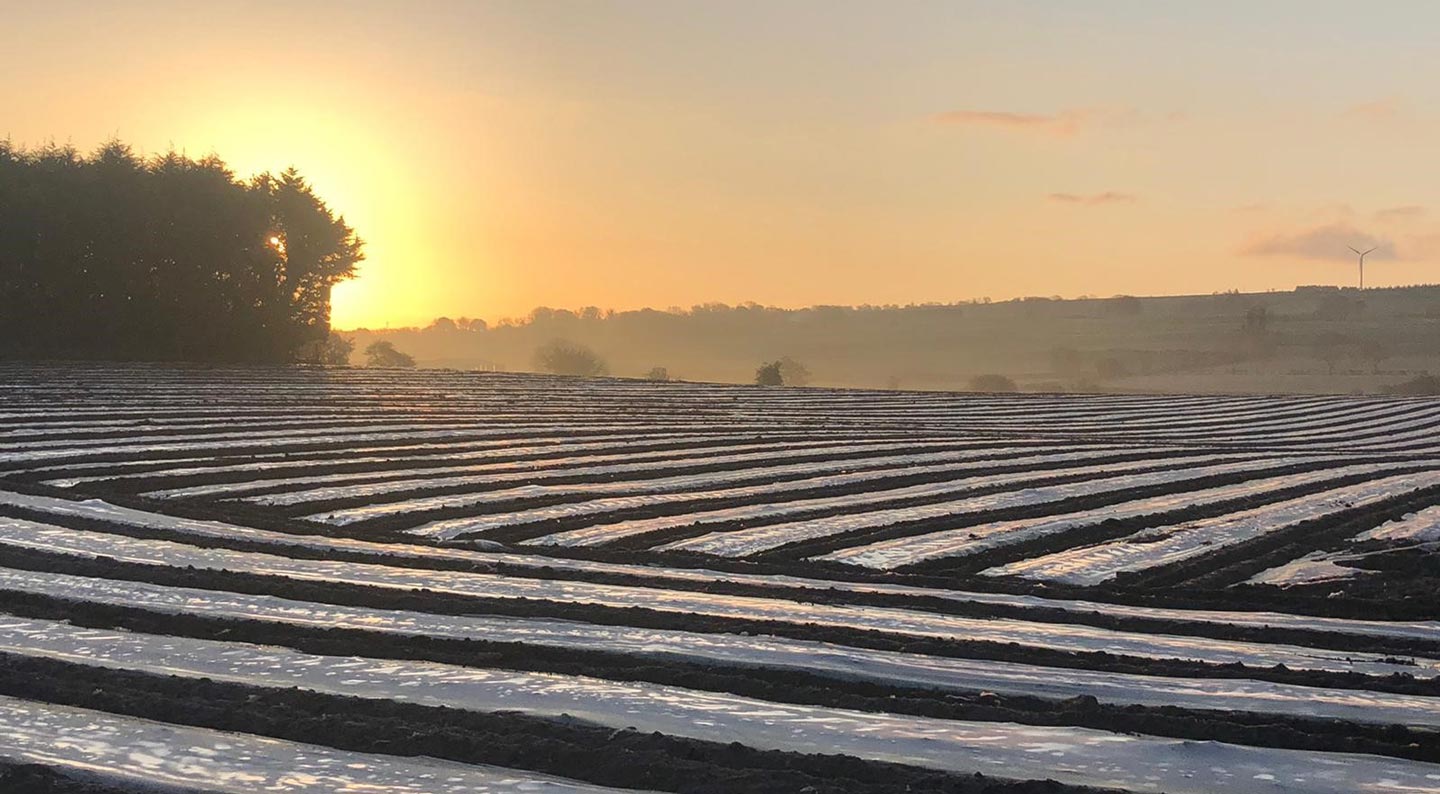
Regenerative farming isn’t just about maximizing crop yield; it’s about restoring the health of the land. Our approach not only increases the sustainability of our own farming practices but also helps to improve biodiversity, enhance soil health, and mitigate climate change. These efforts are a crucial part of our commitment to reducing our environmental impact while producing nutritious, high-quality feed for our cattle.
why it matters 2
bottom curve effect png

Get In Touch

Call us today should you want to become part of our story

homepage greenville get in touch