SERVICES

Testing & Analysis

labratory services

Laboratory Services

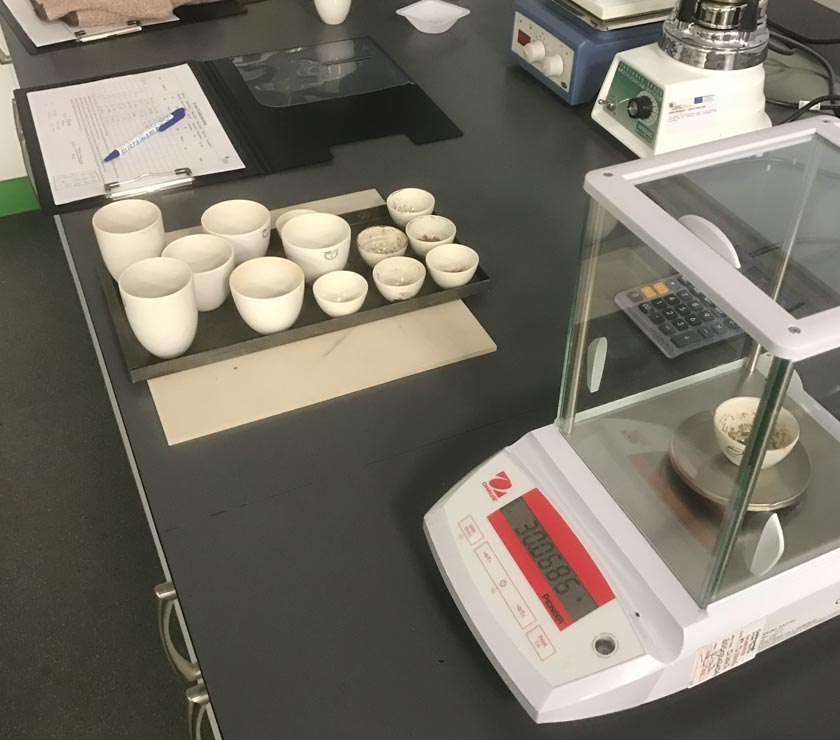
Greenville Energy’s laboratory services offer critical analysis for biogas and agricultural clients, supporting regulatory compliance and optimal efficiency. Our operations provide precise data to enhance biogas production and soil health management, meeting the highest standards of accuracy and regulatory compliance.
top curve effect png

Liquefied Biomethane

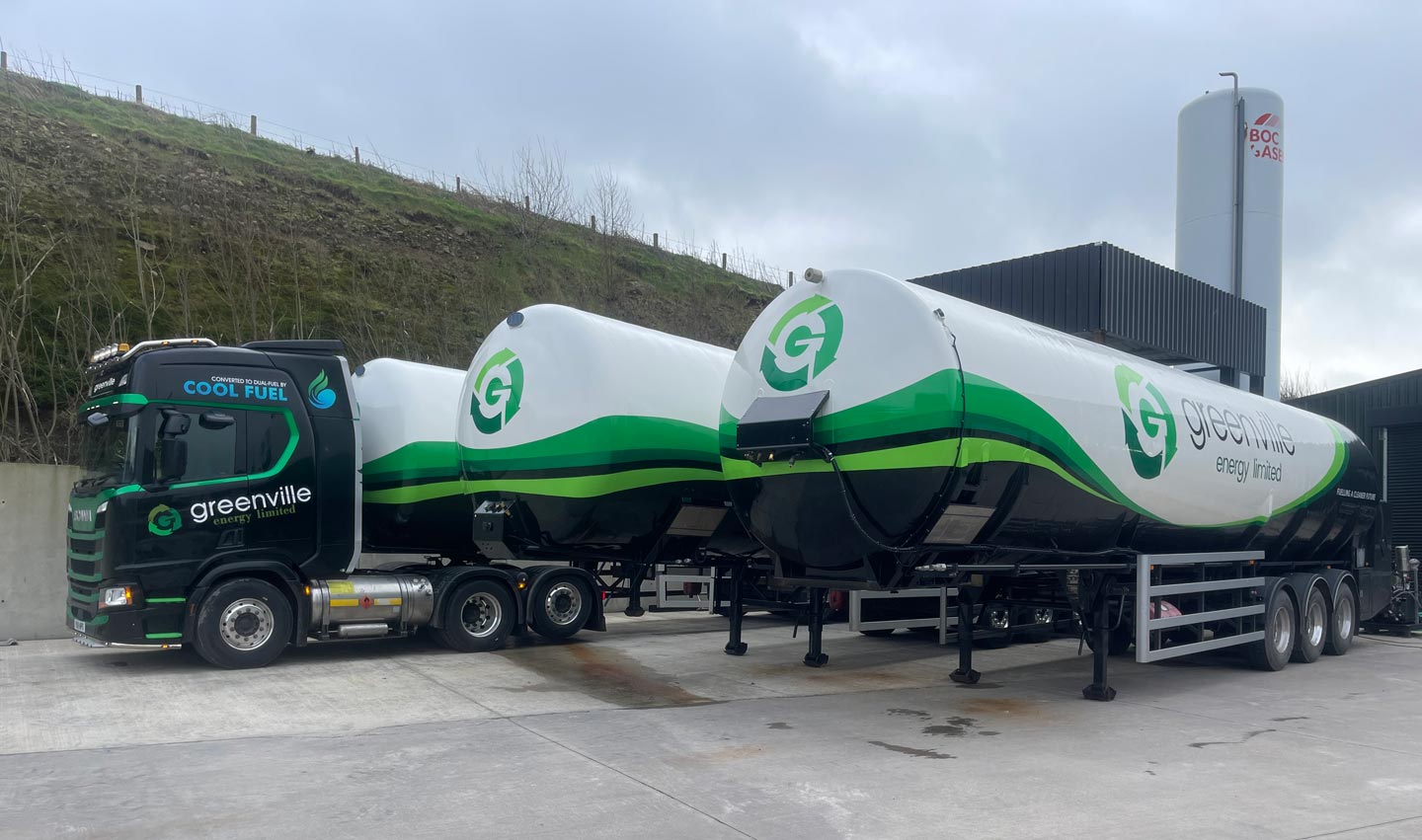
In addition to producing biomethane, Greenville Energy has the distinction of being one of the only suppliers of liquefied biomethane (LBM) in the UK and Ireland. Once the biomethane is purified, it undergoes a process of compression and liquefaction to create LBM, a versatile, low-carbon fuel with numerous applications. LBM is ideal for heavy-duty transportation, industrial use, and energy storage, providing a clean, efficient fuel source with a significantly lower carbon footprint compared to fossil fuels. Our LBM production process is meticulously designed to meet all environmental and regulatory standards, offering businesses a sustainable fuel solution that aligns with carbon reduction and sustainability targets.
Liquefied Biomethane
bottom curve effect png
biomethane potential

Biomethane Potential

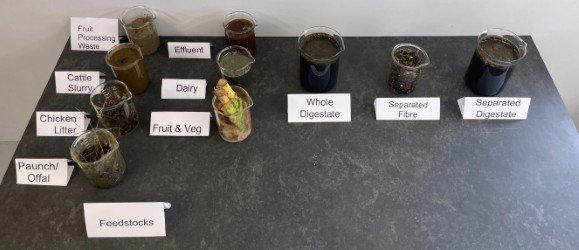
Our BMP testing determines the methane potential of organic materials, providing essential data for maximizing biogas yields. Conducted with zero emissions and in compliance with all regulatory standards, BMP testing is vital to achieving efficient AD plant performance.
top curve effect png

Nutrient Baseline

Our nutrient baseline testing provides an assessment of soil nutrient levels, essential for sustainable and precise fertilization strategies. This zero-emission service ensures regulatory compliance and supports effective, environmentally responsible land management.
soil sampling
bottom curve effect png
gas analysis

Gas Analysis

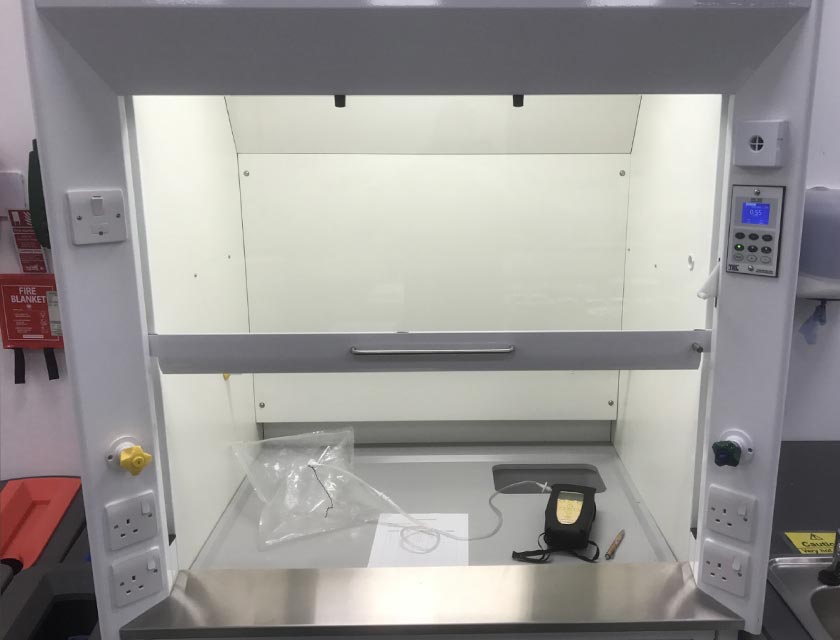
Greenville Energy offers comprehensive gas analysis to evaluate biogas quality and optimize AD plant performance. Our service provides accurate assessments of methane, CO₂, and hydrogen sulfide levels, meeting regulatory standards and supporting safe, efficient operations.